Showing posts with label football boot. Show all posts

Friday, January 25, 2019

Mizuno Rebula 2 V1 Made in Japan Review - Class and fine tuning

What has Mizuno achieved since abandoning the praised Wave Ignitus power boot series in favor of a lighter control category boot Rebula? First of all, in early 2019, Rebula is in its second iteration. This version includes some fine tuning elements even though the overall design and spirit had remained from the first version which came in 2016/17 season.

The heel is lined outside with synthetic mesh and inside with suede.

Second generation Rebula


So what has changed. I was eager to find out how the main design with control frame allowed the leather to stay malleable yet prevented extra stretching. This time around instead of a net-like design, the internal control frame included separate elements which made the boot a less restrictive than the previous model. To compensate the lack of locking webbed structure, the brand decided to replace the short tongue with an elasticated band that locks the ankle and gives additional support. Control frame has different design this time. Some of the pieces of foam underneath the leather are thicker as one can see in the picture below. Quite noticeable are the bigger stripes of memory foam laid under the inside of the foot. It is not still like the Mukaiten pad of past Wave Ignitus but still helps to dampen the touch. It can still vividly remember the Nike Maestri 360 Control boots with rubber pad located inside the instep.

The tongue is replaced with a band that wraps one's foot in place

All in all, this design change made the boot somewhat more accessible and provided roomier fit, even though the latter is negotiable and relies on one's foots' shape. For me, by chance, I was able to secure a pair of size 9 US, which is usually the size I wear the Morelias (9.5 for Morelia Neo bc they're narrow), the size was very low volume and demanded a rigorous break-in period before I felt comfortable wearing the boot in training. After some stretching and moulding into my feet, the boot provides a one-on-one glove like fit. Compared to the previous Indonesia made Mizuno Rebula, which I wear in size 9.5 US, Rebula 2 offers a very responsive touch and very limited space. Length-wise the boot fits perfect, but otherwise my foot felt very restricted. Moving half size up, the feel of the boot changes and one can enjoy the support of the control frame. Altogether, the mid section of the boot and heel feel a lot more forgiving and don't need as long a breaking time as the smaller size. The leather in made in Japan version is very durable and will in time adopt to your foot's curves. This should be the experience as well with any other made in Japan Mizuno cleats.


What then remains are the exquisite built quality and comfort of the Mizuno brand. The outsole hasn't changed either for better or for worse. It is a solid outsole, nice flexibility, support and reliable stud pattern for modern AG surfaces and firm grass fields. The takedown made in Indonesia models should come pretty close to competing brands such as Nike's Tiempo and Adidas's Copa silos.

Overall, the Rebula 2 V1 is a low-cut high quality scotchguarded leather firm ground football boot with nice innovation, outstanding built quality and ample comfort. However due to the lack of high profile players wearing Mizuno in the top European leagues, fewer people have the opportunity to encounter any of the brands product in local retailers (exactly the case in my native Finland). In my opinion, it equally rivals Tiempo and Copa silos. One big negative aspect of the boot is the high price tag where one is usually able to buy a MiJ version Mizuno cleat somewhere between 200–300 euros. It is one brand which I recommend buying solely on reduced price, but it is good to know that you really pay for quality and support local in Japan made craftsmanship. As for other brands, one cannot really know about the factory conditions in remote locations in the Far-East.

Similar designs


Compared to the other leather models in the market, what really sets Rebula aside from the rest. I think the closest rival from style and tech points of view is Nike Tiempo Legend 7 Elite. Tiempos run a half size smaller. In general, Nike sizes 9.5 US equals 43 in EU, whereas Mizuno 9 US is 42 EU. Therefore Rebula 2 V1 size 9 would equal 9.5 Tiempo Legend Elite.

Indonesian made Rebula V1 had more control frame
The newest Tiempo Legend 7 shares a number of other similarities with Rebula. Both have a more or less one piece leather design with internal support frames instead of old-school stitches. The outside of the heel is made of synthetic material. Both of the top models prefer an elasticated sock like structure to a classic tongue. Both have a suede heel liner and a grip insole even though Nike's insole has less grip and more porous padding than Mizuno's very plain yet effective design. Obviously the most notable differences concern the visuals of the boot, that and the variety of different outsole designs and takedown models of each brand.  

Other brands have some competitive models. These models include past Copas (18.1. & the most recent 19.1), Puma One and Umbro Medusae. Then again there are more classical leather shoes as the old Copa, Nike Premier, Adidas Gloro, Mizuno Morelia 2, Umbro Speciali, Puma King, Pantofola D'oro Lazzarini, Diadora and so forth.

Choose your size


Mizuno Rebula 2 V1 MiJ is a great control class football boot. Depending on your preference of fit or playstyle, I can recommend either going for true size (glove like responding narrow fit) or more liberating half size up for casual comfort. Both size options can result in having blisters but for different reasons. More often this occurs when the lockdown is not optimal and in hard turn the foot is given the opportunity to slide and rub against in the inside of the boot. Leather boots usually when very tight fitting will adapt to the shape of your foot after a warm up period. Although from a health point of view, it is usually good when growing up to have an additional room in the toe box to wiggle your toes. Very narrow and restrictive fit can result in cramping which is something any player wishes to avoid.

Who and where


In its own category, I find that Mizuno has done outstanding work in crafting an appealing football boot. As a FG variant, it can be used on modern artificial grass, but unfortunately like many of its current market contenders that are some understandable limitations. For instance, on wet and soggy natural grass fields, one cannot expect the kind of responsive traction than on optimal FG conditions. That said, there is a Made in Japan soft ground outsole version of Mizuno Rebula 2 V1, which people might've seen in this past summer's World Cup in Russia. Of all the variants out there, a custom made sg outsole is what people seem to prefer in professional football or at least that is my experience as I've witnessed pros wearing Mizuno in the English Premier League, such as Leicester's Shinji Okazaki or Southampton's Maya Yoshida.

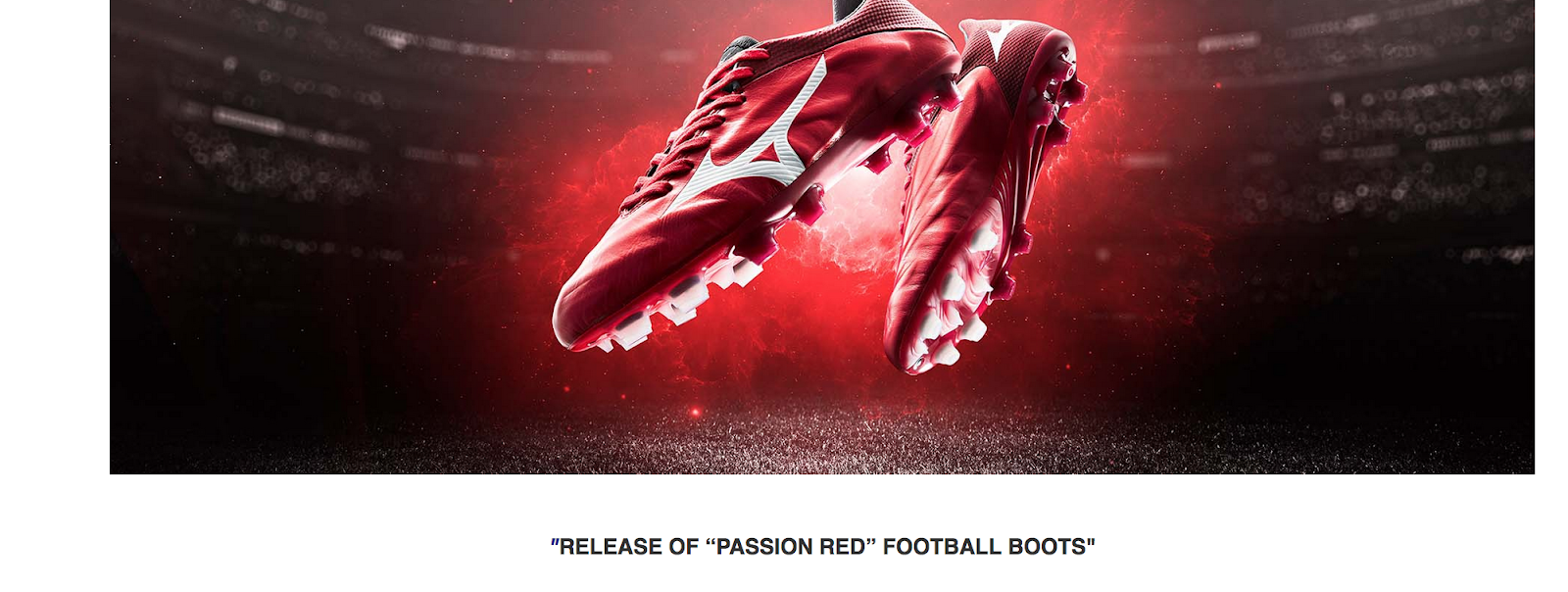
Initial release colorway: Red Passion Pack was in use in the 2018 World Cup

Verdict


Visual appeal 8/10
Tech appeal 8/10
Innovation 9/10
Quality 10/10
Rarity 10/10
Full Retail Price to quality ratio 7/10
Availability 3/10
Performance 9/10

Links:

Here's a link to my Mizuno Rebula V1 best value leather review: https://finnballwizard.blogspot.com/2018/06/best-value-leather-football-boot-of.html

Here's another link to my review of the artificial grass version of Nike Tiempo Legend 7: https://finnballwizard.blogspot.com/2018/05/nike-tiempo-legend-7-ag-version-review.html

Sunday, September 2, 2018

5 years after - a look back at Mizuno Morelia AF KR 2 - very limited release back in 2013

There are very few football shoe silos that stand the test of time. Almost everyone can name Adidas Copa and Puma King which in all honesty stand above rest of the brands in the nostalgic heritage category of boots. Yet these models very much like the Umbro Speciali series explore very little and provide very few limited once in a lifetime releases. Copa has remained unchanged and maybe that's a good thing. On the other hand Mizuno's classic boot Morelia, now in second or third variant of the silo, packs more punch with its tip to detail and luxury. That said, Mizuno has set the stage for leather crafted football boots with extra care and class with its made in Japan series. These boots are hand made with Japanese workers with top quality kangaroo leather and it shows.


Mizuno Morelia AF KR 2 is most likely one of the first boots that have boasted the elite made in Japan sign on quality even though only later on the brand truly embraced this trait as a part of its marketing. Its release is also very sneaky and the boot incorporated many features of what turned out to become integral parts in the light-weight Mizuno Morelia Neo series. Most notable aesthetic feature is probably the Adidas Samba pack imitating colorway even though Samba pack was released way later in time for the 2014 Brazil world cup. Another visual detail was placing the word Morelia to the back of heel whereas in previous and later releases the word is placed outside foot on the heel side. Then again one notable feature of the boot is the short tongue instead of the classic fold-over tongue which would from time to time appear in future Morelia II colorways. Third feature which sets the boot definitely apart from other Morelias is the stitching across the toe box in similar fashion to Morelia Neo to prevent too much stretching. That said the overall fit of the boot is considerably tighter to regular Morelias. However, when the fit lengthwise is right, the boot will start to mold to your feet after 25 minutes of wear and soon after the feel is responsive and glove-like.


The sad part of Morelia AF KR 2 is that the supply these days is extremely limited and finding a new pair online easier said than done. Fortunately some Russian online retailers seem to have few pairs in their storage but the hefty 200€ price tag might turn out to be a hurdle too high for Western customers with no experience with no-English sites. Limited supply, sizes and prices...


It would be nice if Mizuno were able to revive this model like it has done many times with previous limited colorways. To me, the biggest downside of the release is most likely a more rigid and narrow Morelia which after breaking in turned out to be the best boot to date which I've ever worn. 5+ years in use and still no deterioration. Top quality, built to last. Rarest of the rare, Mizuno Morelia will most likely continue to surprise us all on and off the pitch.

Mizuno Morelia AF KR2 Mij and Morelia NEO Mij side by side

Similar stitching across the toe box

Neo has a more aggressive stud pattern, less stitching inside of the toe box

Morelia AF KR2 has overall a wider shape

Front profile reveals some similarities
Only downside I can think of is obviously wet and rainy conditions which in many ways put a lot strain on leather boots. First of all, enough water will eventually enter the leather and make it swell like a sponge even though some leather treatment, like wax and shoe polish, will reduce the absorption. Second, the stud pattern is less effective with soft and wet grass and the mud will stick to the outsole.

My rating:  9/10


Monday, June 18, 2018

Best value leather football boot of 2017/18 season is Mizuno Rebula V1

With a price approximating 100€ at some select retailers, I find the Mizuno Rebula V1 (top tier not in Japan made model) to be best value leather football boot of the current season. That said one can expects even lower prices for the top made in Japan variation since this June we saw the release of second installation of Rebulas, Rebula II with passion red pack released just in time for the World Cup in Russia. Notable players wearing the Rebula model, include Japanese nationals like Keisuke Honda, Shinji Takazaki and Maya Yoshida.

Screenshot from Mizuno US site - Rebula II v1 World Cup Colorway
Rebula can be defined as a leather control boot that has incorporated some of the current trends and previous innovations from the brand into a top quality leather boot. Previous Mizuno lines, such as the Supersonic Wave, Wave Ignitus and Basara, have given some inspiration to the Rebulas design.  However, one should keep in mind that this model is solely for firm grass and will probably suffer both in durability and performance if the surface is different.

Rebula V1 with Stability Outsole

My own experience was indeed a surprise because out of the box, the boots felt light and the outsole maybe even too thin. That fear soon subsided as I noticed that in firm grass conditions the fits and the feel felt perfect. I can definitely imagine that on harder surfaces the stud pressure can be an issue. There are two main reasons for this. First, the outsole is very light and on the thin side; second, the insole is very slimsy too, not unlike what Puma has incorporated with great success.


Those two things are probably the only to downsides to the boot and the latter can be fixed with custom insoles that support both your feet and relieve that stud pressure. Compared to other leather models in the market currently, notably Nike Tiempo line and Adidas Copas, I feel that Mizuno is quality and comfort superior to both. If I had to rank them, I would say that Mizuno Rebula V1 would be number one, then the Copa 18.1 and after that would arrive the Nike Tiempo Legend 7. If I would've added the Made in Japan model to this comparison, the distance between number one and two brands would've grown easily. And with the addition of Rebula 2's to the race this summer, I'm confident that Mizuno's leather superiority is in no way under threat by the major brands.

Mizuno Supersonic Wave 3 (Black/Yellow) & Mizuno Basara 001 KL (Red)


There are several ways point out that Rebula, Copa and Tiempo offer a modernized leather boot experience. First of all, obviously the material is leather, be it kangaroo or calf. Other uniting design is the inner support frame of each model that is there to reduced stitching seen in the conventional leather boot models. One thing that sets them apart, but what is narrowed down considerably with the release of Rebula 2's, is the tongue or the lack of it. Both Copa and Tiempo have given up the tradtional tongue, but the Rebula still has a limited tongue which is redesigned for the next line of the brand. The tongue in boots these days seem to be replaced more and more with a seamless sock like collar or elasticated low cut collar.

Adidas Copa 18.1 & Puma Evopower Vigor Leather

It is a shame that Mizuno boots are hard to come by since very few retailers have them in stock where you could walk in a store and try a pair out for the right size. Just for reference, I can give a size comparison between different brands that should help one choose the correct size. Most of Mizunos I have are either size 42 or 42,5 (9 or 9,5 in Mizuno scale). To be precise, my Rebula size is 42,5 (9,5 US). As for my Tiempo Legend 7 AG, my size is 44 (US 10). My Copa 18.1 size is 43 1/3 (9.5 US). Each of those boots are lengthwise perfect fit. Getting the right size is still problematic because brands from time to time decide to alter either the size or the fit of the boot and boots that look lengthwise equal on the outside might have different space inside. One can wear a boot half size too big, but not the other way round. As for width, I can vouch the Rebula to be quite accommodating. However it is good to note, that Mizuno is perhaps one of the few brands that make wider models for some of their boots.